Why daily eye care deserves attention
Modern life asks a lot from your eyes.
Hours of close-up focus, bright displays, dry indoor air, inconsistent sleep and limited time outdoors can make the eyes feel tired by the end of the day. That familiar heavy or strained feeling does not always mean something serious, yet it is useful feedback. It can be a reminder to blink more often, change viewing distance, improve lighting or step away from the screen. A thoughtful eye-wellness routine begins with those practical choices rather than with a product.
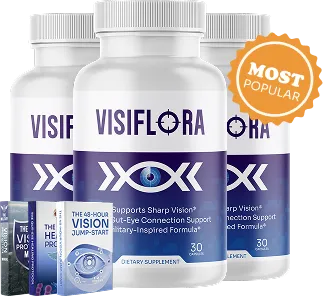
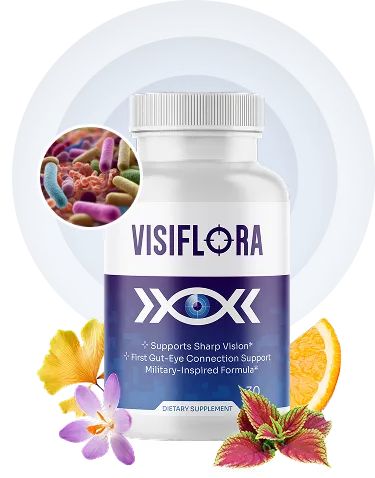
Nutrition also contributes to normal eye structure and function. The retina is metabolically active tissue, and the macula is the small central area responsible for detailed vision. Like the rest of the body, these tissues depend on a reliable supply of nutrients. Colorful vegetables, fruit, legumes, whole grains, healthy fats and adequate protein provide a broad dietary foundation. Supplements such as VisiFlora are generally considered when an adult wants a more convenient, consistent way to add selected nutrients to that foundation.
VisiFlora is positioned around three connected ideas: antioxidant nutrition, everyday visual comfort and whole-body wellness. The supplied product information describes plant-based nutrients intended to nourish delicate eye tissues, support normal circulation and help the eyes cope with ordinary environmental stress. It also highlights a “gut–eye connection,” reflecting the broader idea that digestion and nutrient absorption influence how the body uses what we eat. That is a useful wellness perspective, but it should not be interpreted as proof that changing the gut can reverse a vision condition.
A balanced evaluation therefore asks more than “Does it work?” It asks what is actually in the current formula, how much is included, whether the ingredients fit your needs, how consistently you can use it and what outcome would be realistic. A supplement may be a convenient habit anchor. It should never encourage someone to delay an eye examination or ignore a new visual symptom.